Inspect Building
CodeCycle
Jul 2019 – Feb 2021
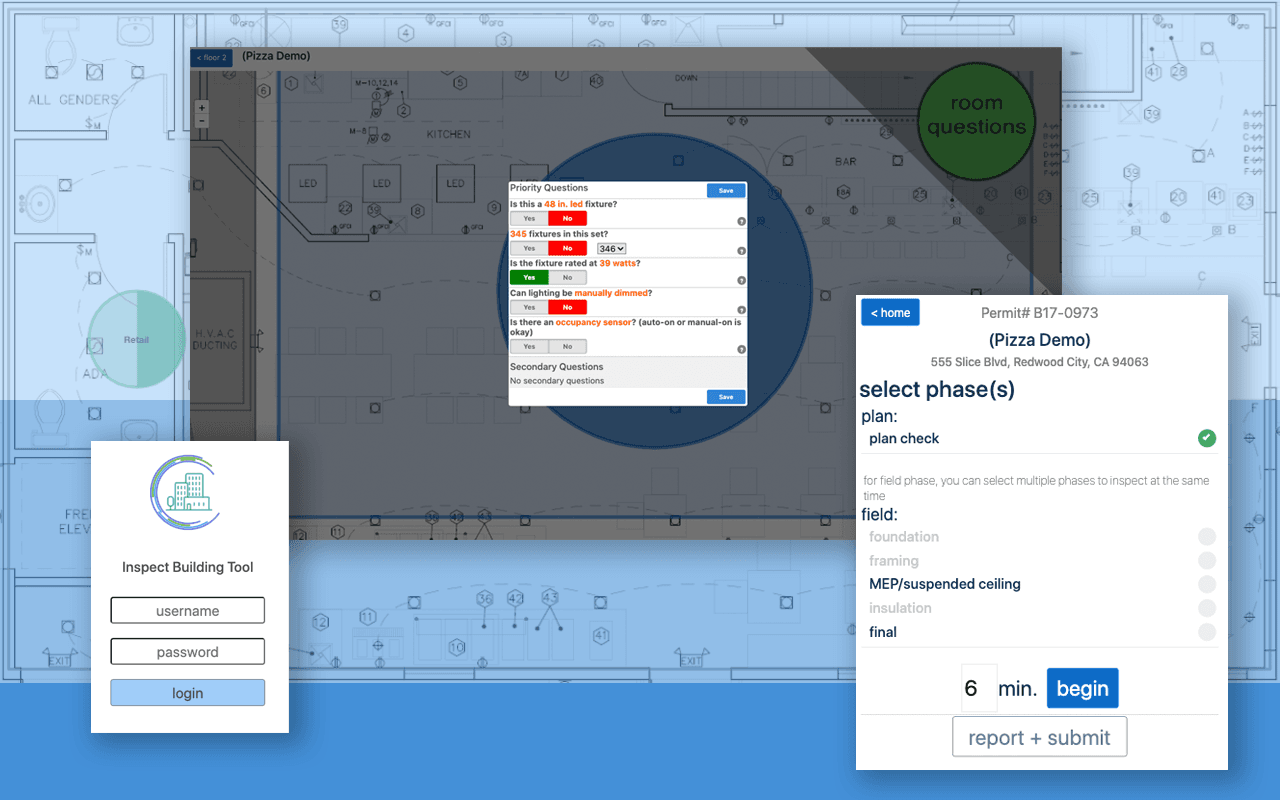
Before Inspect Building, city inspectors carried 900+ pages of California's Title 24 energy code on paper. I rebuilt the inspection tool from the ground up as a full-stack engineer, creating a map-based single-page application that transformed how inspectors work in the field—enabling offline resilience, impact-ranked question flows, and instant PDF report generation.
Company: CodeCycle
Date: Jul 2019 – Feb 2021
Tech: JavaScript (ES6), Node.js, Express, Leaflet.js, D3.js, Bootstrap, JWT, Amazon S3
Roles: Full-Stack Engineer, UX Designer, API Developer
Highlights: Impact-ranked question pathways from 900+ page code, Offline-first architecture with localStorage, JWT authentication & PDF report generation, 40% faster inspection completion times
Methods: Agile, Continuous delivery, Iterative feature development, Offline-first patterns
Interactive Map Interface
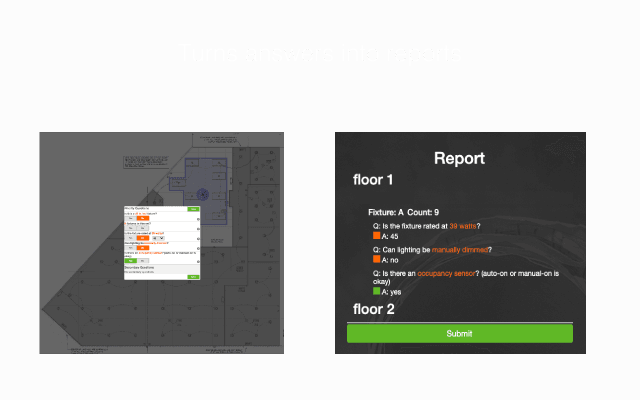
Built the core interface with Leaflet.js, allowing inspectors to zoom into building floorplans, tap specific rooms, and trigger relevant inspection questions. Used D3.js for data visualization and compliance indicators. The map-based approach transformed navigation from flipping through 900 pages of code to a visual, intuitive workflow that matched how inspectors actually move through buildings.
Impact-Ranked Question Flow
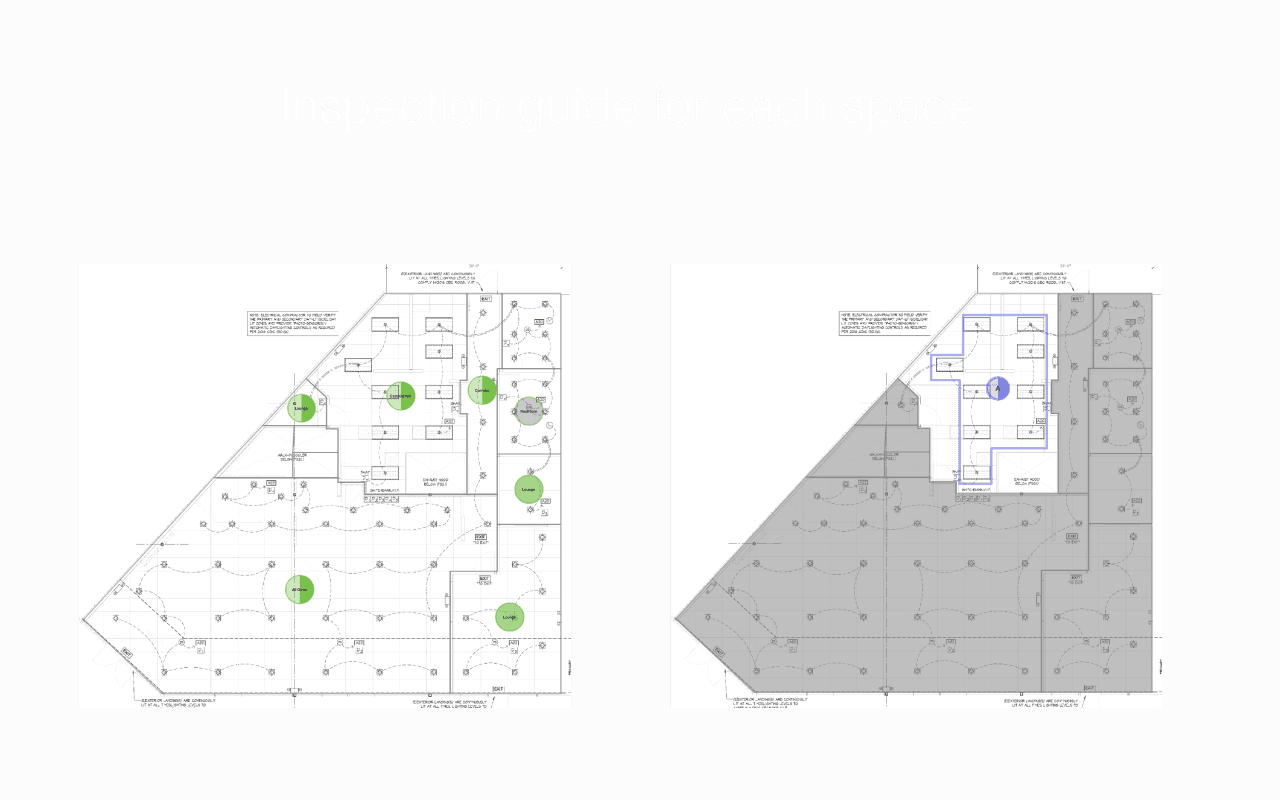
Distilled California's 900+ page Title 24 code into prioritized pathways where high-impact compliance questions surfaced first. Questions loaded dynamically based on building type, room classification, and previous responses. This let inspectors focus their limited time where it mattered most—critical compliance checks that would have the biggest impact on building energy efficiency.
Offline-First Architecture
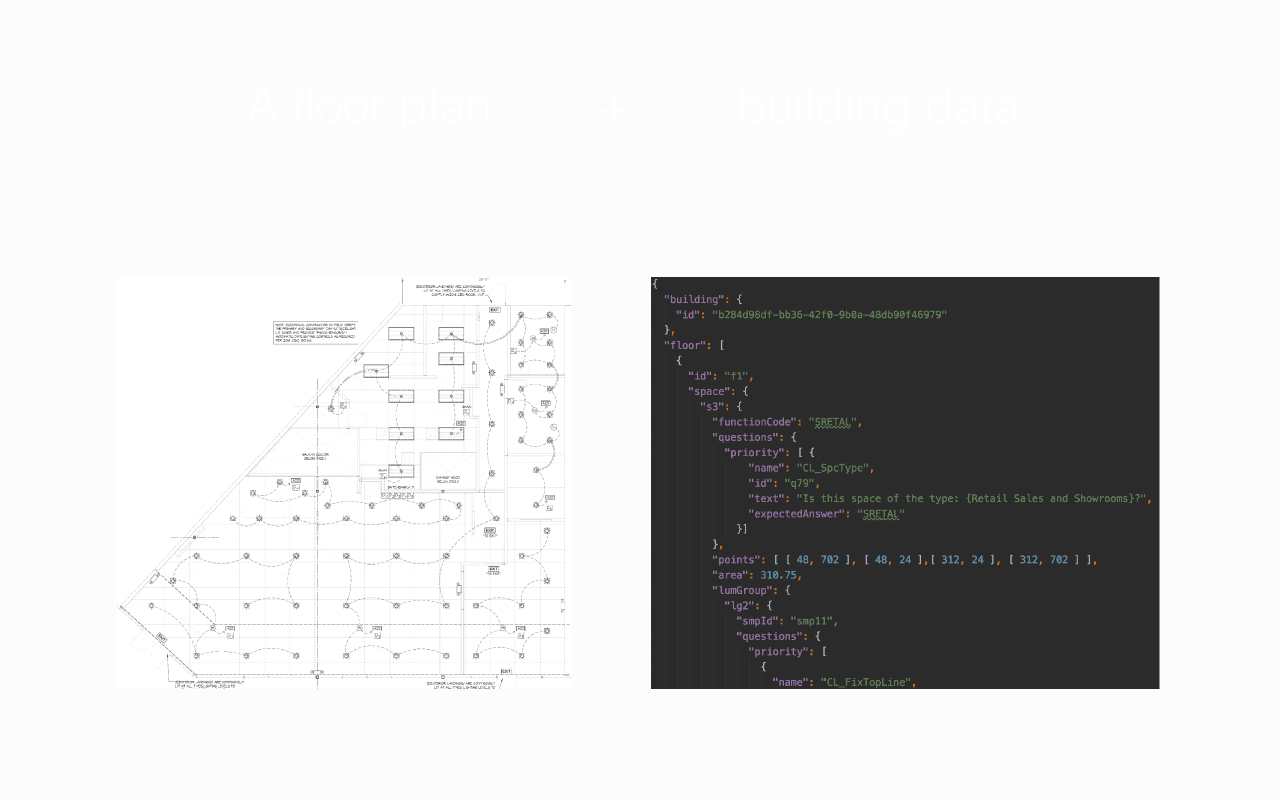
Implemented localStorage for provisional saves and session management so inspectors could work in areas with no connectivity—basement mechanical rooms, parking structures, elevator shafts. Data synced automatically when connection returned. After walk-through completion, the system generated structured PDF compliance reports showing building overview, floor-by-floor findings, and flagged violations, formatted for immediate submission to compliance offices.